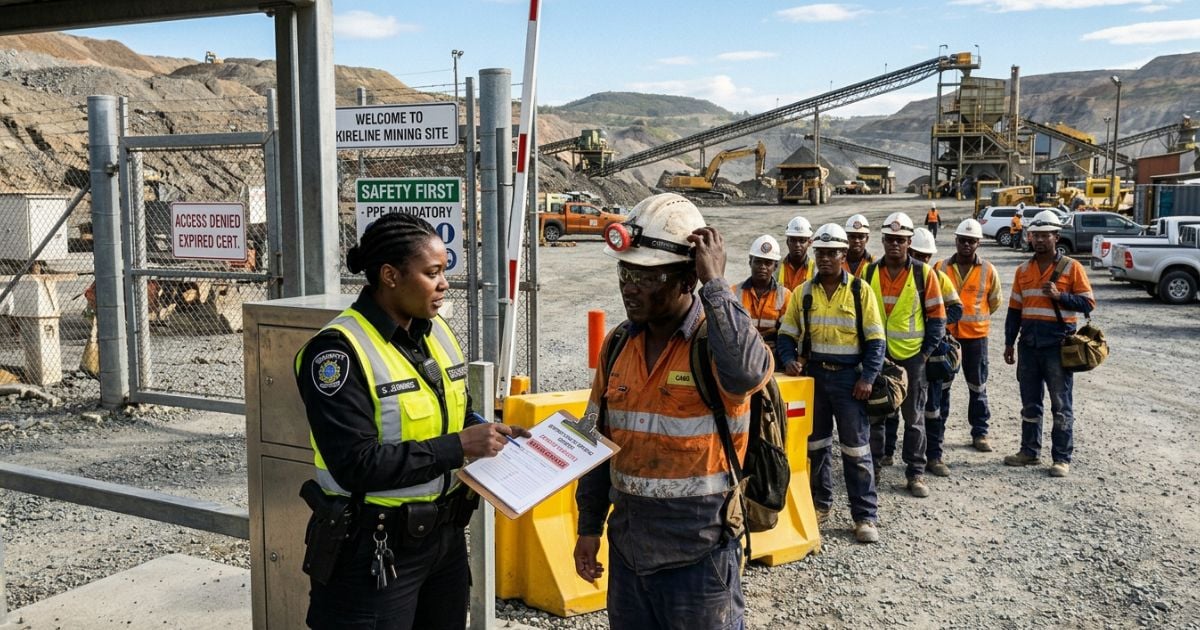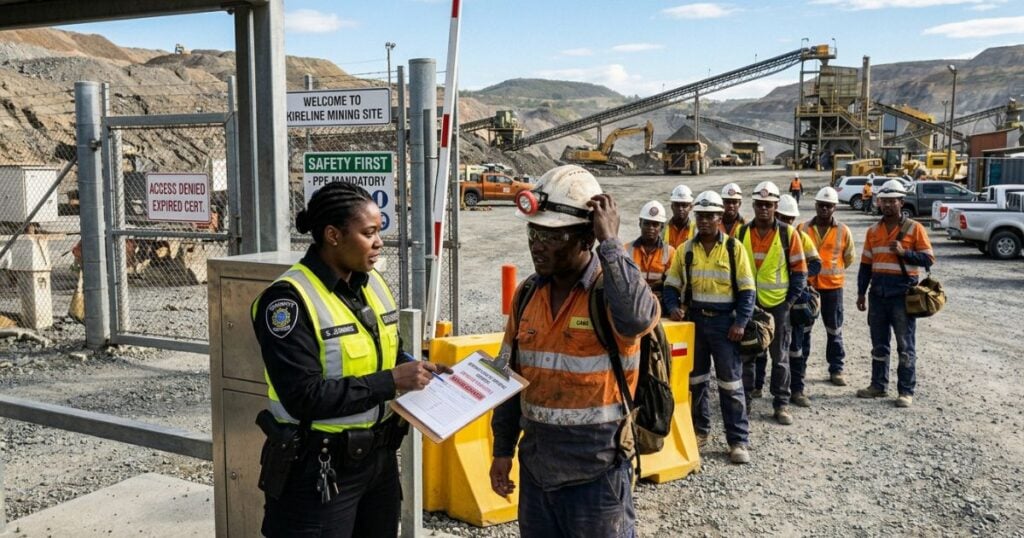
It usually happens at the start of a shift. A contractor crew arrives, security checks the list, and one person’s certificate of fitness ran out a few days ago. He’s turned away, the job starts short, and someone in SHEQ spends the morning working out who else is close to the same date.
The expiry date had been recorded, but not anywhere that would warn anyone in time.
How a contractor gets onto a mine on paper
The details vary from mine to mine, but on paper the process tends to follow the same steps.
- The contractor company is appointed, and its company documents are collected: registration, tax, and a letter of good standing for workplace injury cover.
- Each of its people submits a pack: ID, certificate of fitness, competency certificates and any appointments their role needs.
- SHEQ checks the pack and the person is inducted.
- Copies go to the gate, to HR and to the contractor office, and an access card is issued.
- Expiry dates go onto a spreadsheet, so that someone can chase renewals.
Why expiry dates get missed
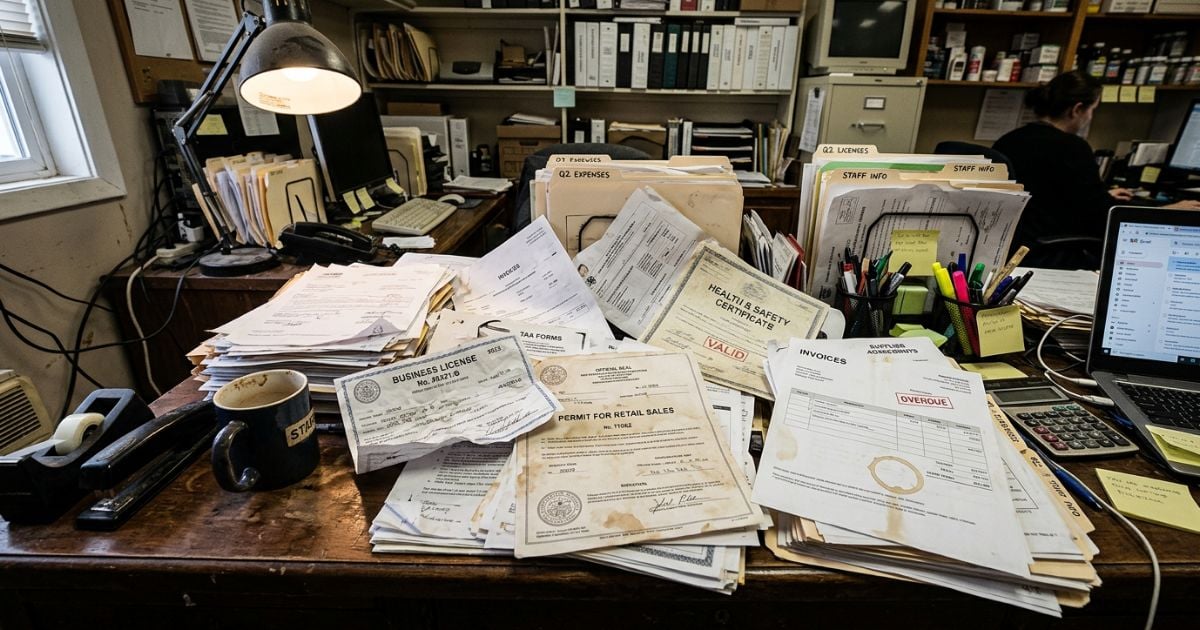
The date lives in more than one place. The certificate is in a lever arch file, the date is on a spreadsheet, and the gate works from a list. When a certificate is renewed, all three have to be updated, and usually one isn’t.
Nobody owns the renewal. The contractor company thinks the mine will remind them. The mine assumes the contractor is keeping track.
Contractor crews change. People move between contractor companies and between sites. A spreadsheet built for last quarter’s crew doesn’t know about this week’s replacements.
Each site does it differently. In a group with several mines, each site often keeps its own files in its own way, so head office can’t see who is current across the group.
What it costs
At the gate, the cost is a crew starting short and the overtime or delay that follows. The larger cost comes at an inspection, or after an incident.
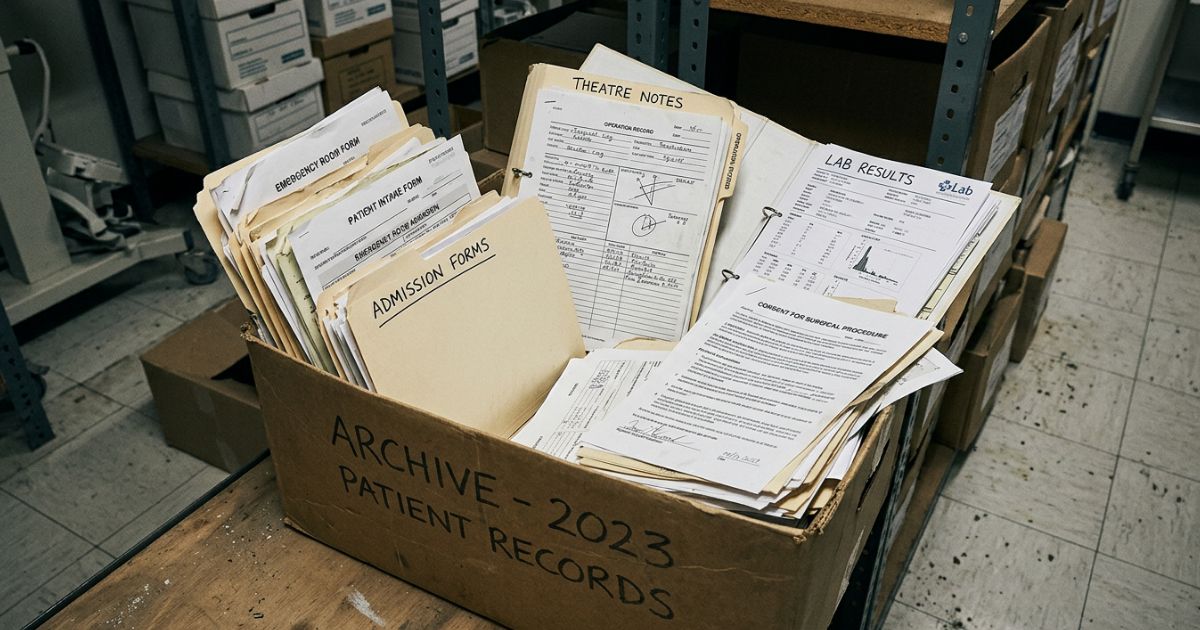
When an inspector visits, the mine has to show that the people on site were fit and competent for their work. When the records are spread across offices in lever arch files, that means days of copying. After an incident, the same records become evidence, and the first job for the SHEQ team is finding them.
There is a privacy question as well. A certificate of fitness is medical information, and under the Protection of Personal Information Act (POPIA) it is special personal information. A copy sitting in a file at the gate is a copy more people can see than need to.
Four questions to ask your SHEQ team this month
- How many people were turned away at the gate for paperwork last month?
- How do we find out that a certificate is about to expire, and how far ahead?
- How many copies of each contractor’s file do we keep, and where?
- If the inspector asked tomorrow for the records of everyone on one section, how long would it take us?
Where to start
We start mines with one site and one contractor company. Existing contractor files are scanned and indexed to the person and the site, new packs are captured at onboarding, and expiry dates are tracked in one place. The gate carries on as it does today until the SHEQ team is satisfied, and the paper stays until the digital files have been checked.
Our mining page sets out how Metrofile does this for mines and mining groups.
Or run the four questions with your SHEQ team first, and send us what you find.