The deduction usually arrives on a remittance, weeks or months after the delivery it refers to. A retailer says a delivery was short, or that a promotional price wasn’t applied, and takes the amount off the next payment.
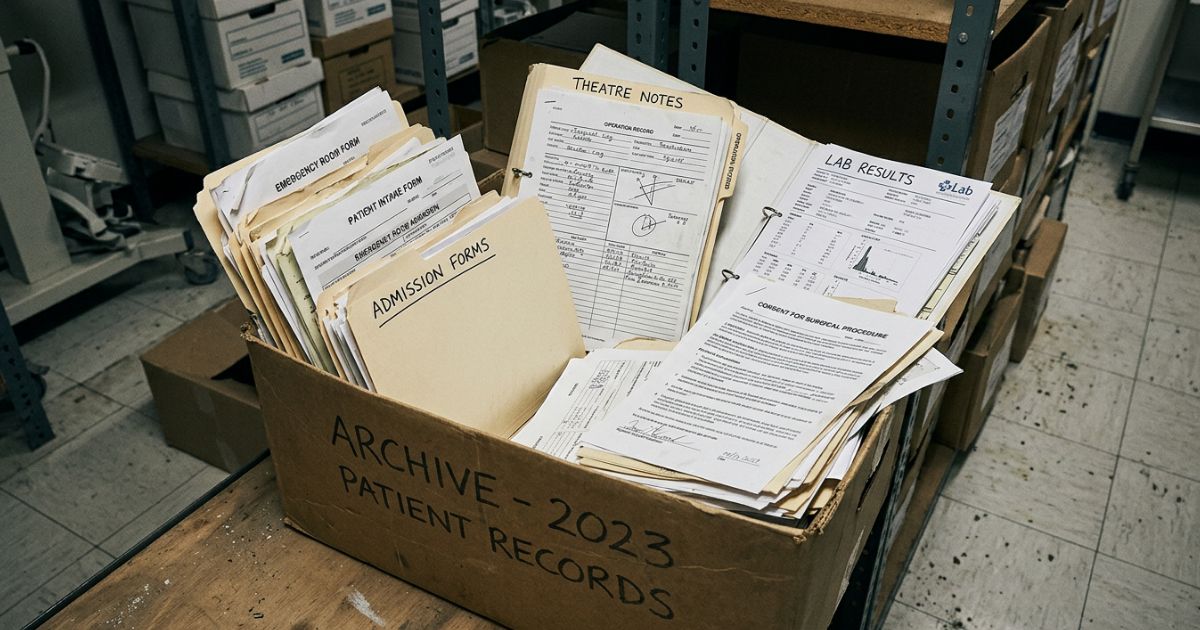
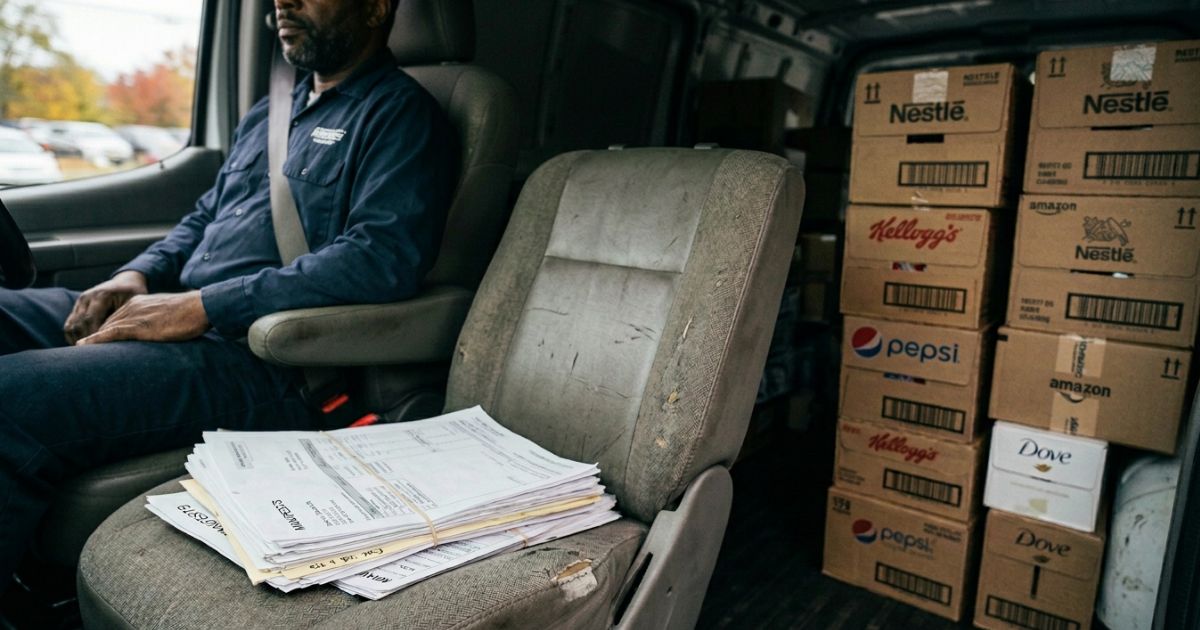
To dispute it, the supplier needs proof. In a lot of FMCG businesses, that proof is a signed piece of paper that went back to the DC in a driver’s pile, and it takes longer to find than the retailer allows for a query.
How a claim moves on paper
- The retailer’s remittance arrives with the deduction on it.
- Customer finance logs the claim and works out which delivery or promotion it relates to.
- Someone asks the DC, or the transporter, for the POD.
- Someone else looks for the trading agreement or promotional sign-off the claim relies on.
- The key account manager is asked whether to dispute it.
- If the proof hasn’t turned up by the time the account manager needs an answer, the credit is passed.
Where the proof goes missing
The POD travels slowly. Drivers return PODs in batches. Third-party transporters keep them until month end, or scan them into their own portal. By the time the POD reaches the DC, it has been handled several times.
It’s filed by the wrong reference. PODs tend to be filed by date or route, while the claim quotes an invoice or order number. Matching one to the other is manual work.
The agreement is in someone’s inbox. Trading terms and promotional sign-offs are often agreed by email and saved wherever the person saving them chose. When that person has moved on, so has the knowledge of where the file is.
Sales and finance see it differently. Finance wants to dispute. The account manager is thinking about next month’s promotion. Without evidence on the table, the account manager’s view usually wins.
What it costs
A claim credited without checking may be margin the business didn’t need to give away. Some of those claims will have been valid, and without the proof nobody can say which.
There is a second cost in time: customer finance staff spend hours on each disputed claim chasing paper, and the same hours are needed for the next one.
Four questions for your customer finance team this month
- How many claims did we credit last quarter without seeing the POD?
- How long does it take, on average, to get a POD back from the DC or transporter?
- Where are our trading agreements and promotional sign-offs kept, and can anyone find them?
- Which key account sends us the most deductions?
Where to start
We start FMCG businesses with one key account. PODs for that account are scanned and indexed to the delivery and invoice, new ones are captured as they come back, and each claim is matched to the POD and the trading agreement. Finance and sales look at the same evidence before deciding.
Our FMCG page sets out how Metrofile does this for manufacturers and distributors.
Or run the four questions with your customer finance team first, and send us what you find.